Picture spending a few thousand dollars on a new electric range, a heat pump, a generator, or an EV charging setup, only to find out later that the circuit feeding it was never sized correctly in the first place. The appliance might still turn on. It might even run fine for months. Somewhere behind the wall, though, a wire could be running hotter than it should, or a breaker could be tripping more often than it needs to.
This is exactly why a good electrician in Seattle, WA, spends real time working out the right breaker and wire size before an appliance ever gets plugged in. The idea behind it is simple: every appliance needs enough power delivered through wiring and protective devices built to handle that load safely. Get the match wrong, and performance, efficiency, and safety all take a hit.
For homeowners and businesses across Seattle, WA, including Ballard, Queen Anne, Capitol Hill, Magnolia, Green Lake, and West Seattle, understanding how this sizing works goes a long way toward explaining why professional electrical planning matters as much as it does.
Below, we’ll walk through the basics, the factors a professional actually weighs, how sizing varies from appliance to appliance, and the mistakes that tend to cause the most trouble.
Why Breaker and Wire Sizing Matters More Than Most People Realize
Most people assume a breaker’s main job is protecting the appliance. In practice, it’s really there to protect the wiring. If a wire carries more current than it’s rated for, it can overheat well before an appliance shows any sign of trouble, so a correct breaker and wire size ensures the breaker cuts power before the wire ever reaches a dangerous temperature.
The U.S. Fire Administration attributes roughly 7.7% of reported residential building fires to electrical malfunctions, underscoring the importance of proper system design and maintenance.
Think of It This Way
Picture a highway system. The appliance is the destination, electricity is the traffic, the wire is the road, and the breaker is the traffic control keeping things in check. Push too many cars onto a road that’s too small, and you get exactly the kind of congestion electrical systems are trying to avoid. The wire has to be able to carry the load, and the breaker has to be sized to protect that wire, which is really the foundation of good electrical wire sizing.
Quick Reference Table
| Component | Purpose |
| Breaker | Protects the wiring from excessive current |
| Wire | Carries electricity to the appliance |
| Appliance | Consumes electrical power |
| Electrical panel | Distributes power throughout the building |
| Circuit | Dedicated pathway supplying electricity |
Breaker and Wire Sizing Basics
Before anything gets installed, electricians start by calculating expected electrical demand, since different appliances draw very different amounts of power.
| Appliance | Typical Circuit Requirement |
| Refrigerator | 15 to 20 amp circuit |
| Dishwasher | 15 to 20 amp circuit |
| Microwave | 20 amp circuit |
| Electric dryer | 30 amp circuit |
| Electric water heater | 30 amp circuit |
| Electric range | 40 to 50 amp circuit |
| EV charger | Often a 40- to 60-amp circuit or higher |
Exact numbers still depend on manufacturer specs, local code, and installation conditions.
The Relationship Between Breakers and Wire Size
A bigger breaker doesn’t mean better performance. In fact, oversizing one can create a genuinely dangerous setup, which is why code pairs specific wire gauges with specific breaker sizes for appliance ratings rather than leaving it to guesswork.
| Breaker Size | Common Copper Wire Size |
| 15 amp | 14 AWG |
| 20 amp | 12 AWG |
| 30 amp | 10 AWG |
| 40 amp | 8 AWG |
| 50 amp | 6 AWG |
A properly matched breaker and wire work together to keep heat in check, and any conversation about the correct breaker and wire size has to look at both components as a pair, never one without the other.
Why This Matters in Seattle Homes
Many homes around Wallingford, Fremont, and Capitol Hill were built well before today’s electrical demands became the norm, often with systems designed for fewer appliances and lower overall consumption. As homeowners add modern conveniences, those original circuits often need upgrading to remain safe.
What Professional Electricians Evaluate Before Making a Recommendation
Knowing how to size a circuit breaker isn’t as simple as reading an appliance’s wattage off the box. A real evaluation covers a lot more ground.
Appliance nameplate ratings.
Every major appliance carries a manufacturer’s label listing voltage, amperage, wattage, and the required circuit size, which serves as the starting point for any calculation.
Continuous versus non-continuous loads.
Anything that runs for three hours or more at a stretch, think EV chargers, certain heating systems, or generator setups, needs extra breathing room built into the circuit under code.
Distance between the panel and the appliance.
Longer wire runs cause voltage drop, so wire size may need to be increased on larger properties to maintain performance.
Installation environment.
Attic heat, outdoor exposure, conduit, moisture, and the number of conductors grouped together can all affect how much current a wire can safely carry.
Future plans.
A good electrical contractor in Seattle, WA, often asks whether an EV charger, generator, or panel upgrade might be in the picture down the road, since planning ahead now can save a second round of work later.
Choosing the Right Circuit for Each Appliance
Every appliance comes with its own electrical personality, which is exactly why experienced electrical contractors in Seattle WA, steer clear of one-size-fits-all solutions.
Kitchen appliances tend to run several power-hungry devices at once, from refrigerators and microwaves to dishwashers and disposals, which is why dedicated circuits are often required to avoid overload.
Electric ranges typically need high-capacity circuits sized around the appliance itself, the manufacturer’s specs, and local code, all working together to prevent nuisance trips.
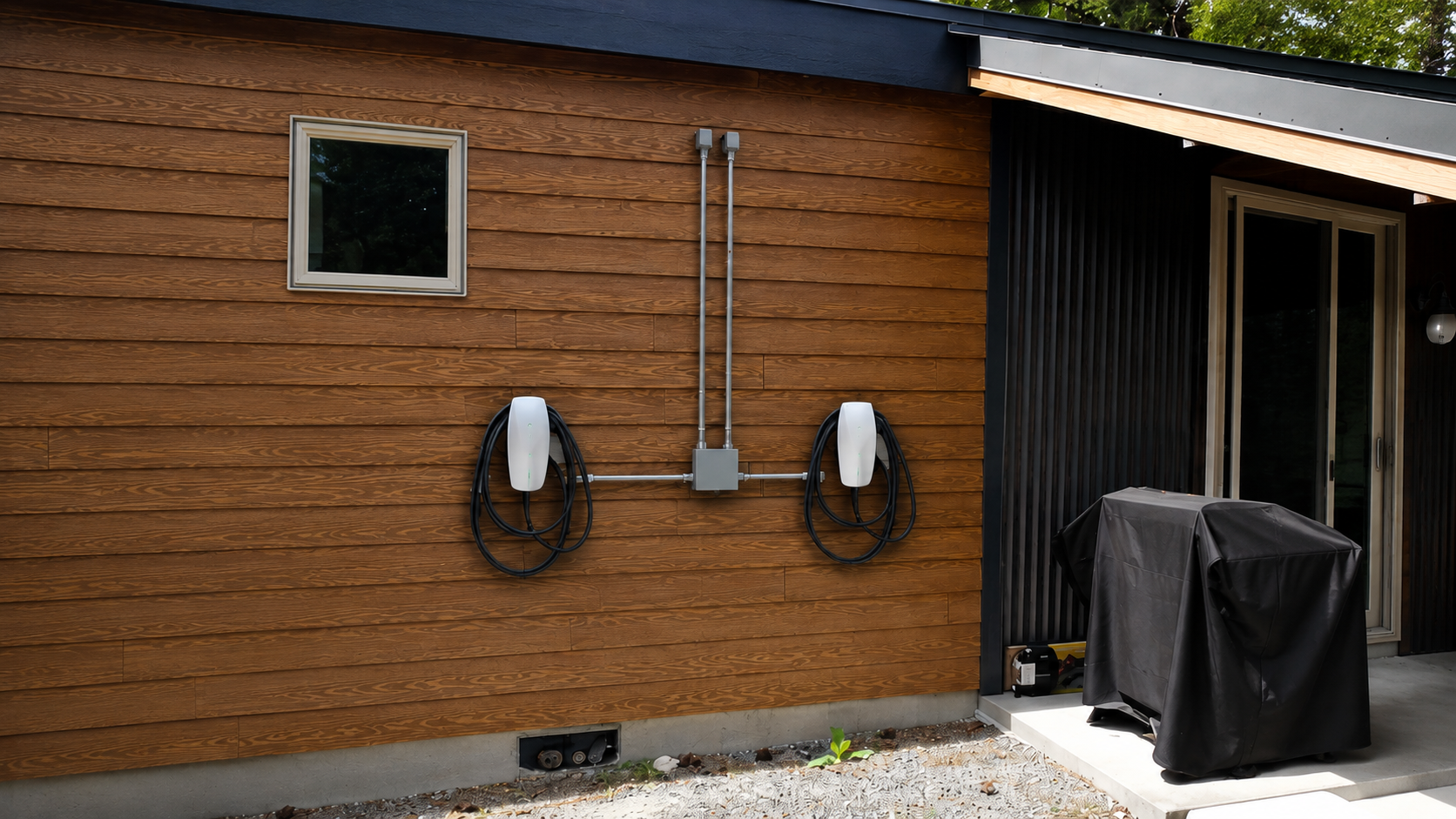
EV chargers are becoming increasingly common throughout Seattle, and because they often run continuously for extended stretches, getting the breaker and conductor size right matters more here than almost anywhere else.
Generators need careful coordination among the service equipment, transfer equipment, breakers, and wiring, since a sizing error here can undermine reliability at exactly the moment backup power is needed most.
Home rewiring projects frequently uncover circuits that were perfectly adequate decades ago but no longer match how a home is used today, which is another reason homeowners bring in an electrician in Seattle, WA, before a larger renovation gets underway.
Avoiding Breaker and Wire Sizing Errors
Even small sizing mistakes can create outsized problems.
| Common Mistake | Why It’s a Problem |
| Installing a bigger breaker to stop tripping | Exposes wiring to current it was never rated for |
| Ignoring appliance nameplate specs | Leads to a circuit that doesn’t match real demand |
| Reusing older wiring for new equipment | Existing wire may not handle a new appliance’s load |
| Overlooking voltage drop | Longer runs lose performance without a wire-size adjustment |
| Only planning for today’s needs | Skips capacity that future appliances will require |
Quick Safety Checklist
Before a new appliance goes in, it’s worth confirming:
- Is the circuit dedicated, if the appliance requires one?
- Does the breaker actually match the wire size?
- Have the appliance’s own specifications been reviewed?
- Has voltage drop been factored in?
- Can the panel support the added load?
- Could future electrical needs require more capacity than what’s planned now?
Why Proper Electrical Sizing Is a Long-Term Investment
Electrical work is easy to overlook since so much of it sits behind the wall, but properly sized circuits pay off well beyond code compliance. A few of the benefits tend to stand out over time:
- Better appliance performance, since the circuit is finally matched to the actual load
- Fewer nuisance breaker trips interrupting daily life
- Lower risk of overheating behind walls and inside panels
- Room to add future equipment without redoing the wiring from scratch
- Longer service life for both the wiring and the panel itself
The Electrical Safety Foundation International links electrical distribution and lighting equipment to more than 31,000 home fires each year nationwide, resulting in hundreds of deaths and injuries. That’s a strong reminder of why thoughtful design matters, especially in a city like Seattle, where historic construction and modern electrical demand often coexist. It’s also exactly the kind of planning our electrical contractors at Skyline Electrical Services build into every appliance and circuit installation across the area.
Building an Electrical System That Works Today and Tomorrow
Getting the right breaker and wire size down to the last detail isn’t guesswork. It comes from weighing appliance requirements, load calculations, conductor capacity, installation conditions, and future plans all together, even though most of it stays hidden behind a wall or inside a panel.
Skyline Electrical Services brings more than 25 years of experience to homeowners and businesses across Seattle, offering residential and commercial electrical services, troubleshooting, electrical panel work, home rewiring, generators, solar installations, and general electrical contracting. If you’re planning a new appliance installation, an electrical upgrade, or a wiring assessment, reach out to us at (425) 201-8288 and work with an experienced electrical contractor in Seattle WA, who can build your system for the long run.