When a generator struggles, the engine usually takes the blame. More often, the real culprit sits underneath it: a base that has settled, a slab that was never quite level, or anchor bolts that worked loose after a few rainy winters.
Across Seattle, WA, from Ballard and Queen Anne to West Seattle and Beacon Hill, wet soil and sloped lots test every outdoor installation. That makes generator mounting one of the most important decisions in any generator installation process in Seattle, WA, and beyond, and one of the easiest to overlook.
A generator performs only as well as the surface, hardware, and space around it.
How Improper Generator Mounting Causes Damage
Every generator vibrates while it runs. The mounting system decides whether that motion stays harmless or slowly turns into wear.
Excessive Vibration: When Small Movements Become Big Problems
Some vibration is normal. Too much usually means the unit is out of level, a fastener has loosened, or the support surface is wrong. Picture a winter windstorm in Seattle. The generator starts on cue, but one loose mounting point lets it rock slightly with every cycle.
Over time, that motion can lead to:
- Loosening bolts and fasteners.
- Strain on connected wiring and conduit.
- Wear on vibration-isolation parts, where fitted.
- New rattling or humming during operation.
Here is how common symptoms translate into action:
| What you notice | What it may point to | Sensible next step |
| New or louder rattling | Loose hardware or an unlevel base | Request an assessment |
| The unit has shifted position | Settling support or failed anchoring | Have it inspected before the next run |
| Humming that changes pitch | Worn or misaligned isolation parts | Ask a technician to check them |
| Cracks around the pad | Ground movement or poor drainage | Have the site evaluated |
Noise alone can’t identify the cause, so a qualified electrician or generator technician should investigate instead of simply tightening what is visible.
Quick tip: If the sound changes, note whether it happens at startup, during steady running, or at shutdown. That detail helps a technician find the cause faster.
Uneven Weight Distribution: Why Level Support Matters
Generators are heavy, and the manufacturer specifies how that weight should rest. On a sloping or shifting base, the load concentrates on a few points and strains the mounting arrangement.
Seattle properties vary widely. A flat driveway in Ballard behaves differently from a sloped side yard in West Seattle or a landscaped lot near Lake Washington. A proper generator foundation accounts for the unit’s weight, the ground, drainage, and the installation instructions. No single arrangement suits every property.
Common Generator Mounting Mistakes
Many problems begin before the generator ever starts. A convenient location is not always a suitable one, and these are the slips we see most often:
| Mistake | What goes wrong | What to do instead |
| Undersized or uneven pad | The unit tilts or settles | Match the pad to the model’s specifications |
| Ignoring the slope | Weight lands on a few points | Level the support before setting the unit |
| Wrong fasteners | Anchors loosen or damage the base | Use the hardware the manufacturer specifies |
| Improvised isolation pads | The support arrangement is disturbed | Use only specified vibration-isolation parts |
| Skipping clearances | Airflow and servicing suffer | Confirm clearances before choosing a spot |
Each of these is easy to prevent at the planning stage and expensive to correct afterward.
Inadequate Foundation: A Weak Starting Point
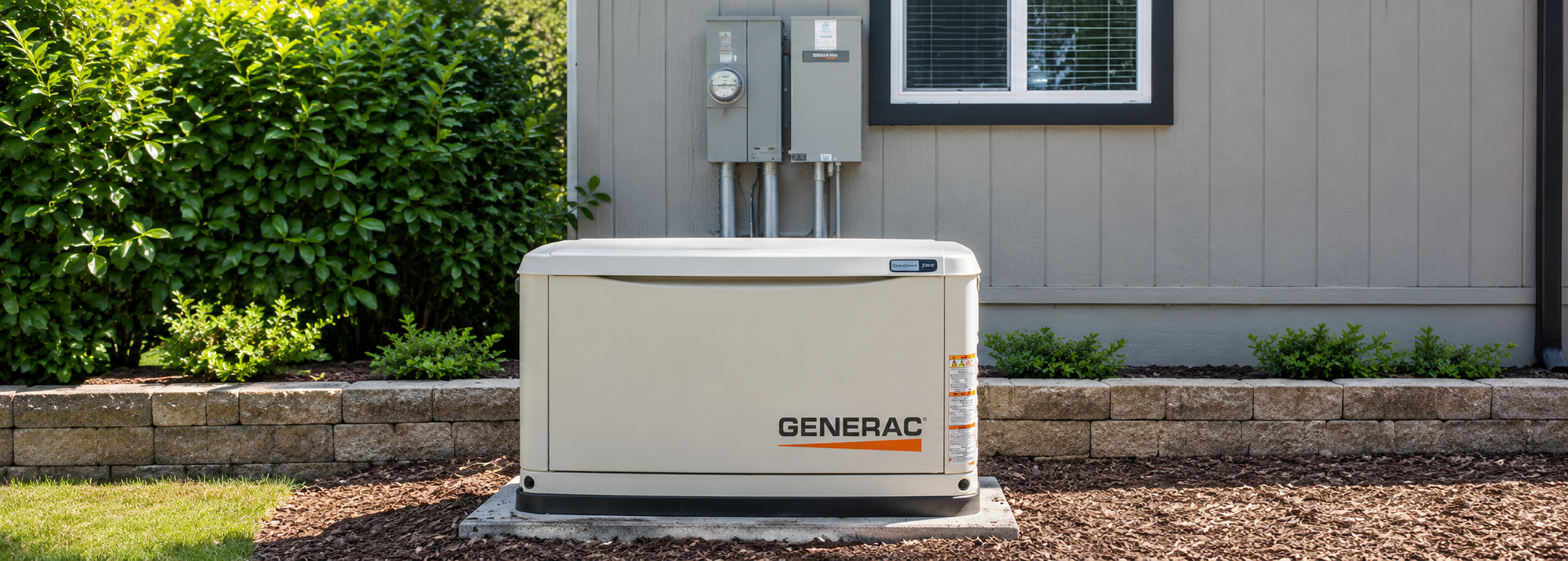
A generator mounting pad does more than lift the equipment off wet ground. It holds the unit in position through every run. Trouble starts when the pad is too small, poorly supported, or unsuited to the site. Rainfall makes this especially relevant here, since soil and drainage can differ between Seattle, Shoreline, and other parts of King County, sometimes within the same neighborhood.
When evaluating a pad, consider:
- Load capacity: Can it carry the weight the manufacturer specifies?
- Levelness: Does it meet the unit’s installation requirements?
- Ground stability: Is the area likely to settle or erode?
- Drainage: Does rainwater move away from the base?
A concrete pad, an approved composite pad, or another specified support can all work, depending on the model.
Improper Anchoring: Secure Does Not Mean Over-Tightened
Generator anchoring keeps the equipment where it belongs, but tighter is not always better. The hardware must suit the generator, the surface, and the manufacturer’s instructions, and a professional should confirm that:
- The specified hardware is present and correctly installed.
- The surface can accept the anchoring method.
- The unit stays level and stable.
- Isolation components are installed as intended.
A generator that feels solid when switched off is not necessarily mounted correctly. It has to stay stable while starting, running under load, and shutting down.
How Mounting Affects Generator Performance
A generator can start and produce power while a mounting problem quietly builds. The lights coming on during an outage are not proof of a sound installation.
Premature Component Wear
Repeated vibration adds stress to parts built to operate within set limits. Poor mounting does not guarantee a failure, but it makes avoidable wear more likely. Watch for:
- New or worsening rattling.
- A visible change in the unit’s position.
- Loose or displaced hardware.
- Settling or cracking around the support surface.
- Water collecting near the foundation after rain.
These signs call for an assessment, since some of them can also come from mechanical or electrical causes.
Increased Maintenance Needs
Even a well-installed unit needs routine generator maintenance. A poorly mounted unit makes that routine heavier because a technician has to look beyond the engine and check the bolts, the pad beneath it, and the attached wiring. This matters most for owners planning standby generator installation in Seattle WA, because the unit must be ready the moment the utility supply fails.
The U.S. Consumer Product Safety Commission advises generator owners to follow labels and instructions and to maintain their equipment regularly. Its generator safety guidance is a useful reminder that dependable backup power depends on safe installation as well as the machine itself.
Choosing the Right Generator Mounting Solution
The best solution fits the specific generator and the specific property. What works in one backyard may not work in the next.
Proper Base and Support
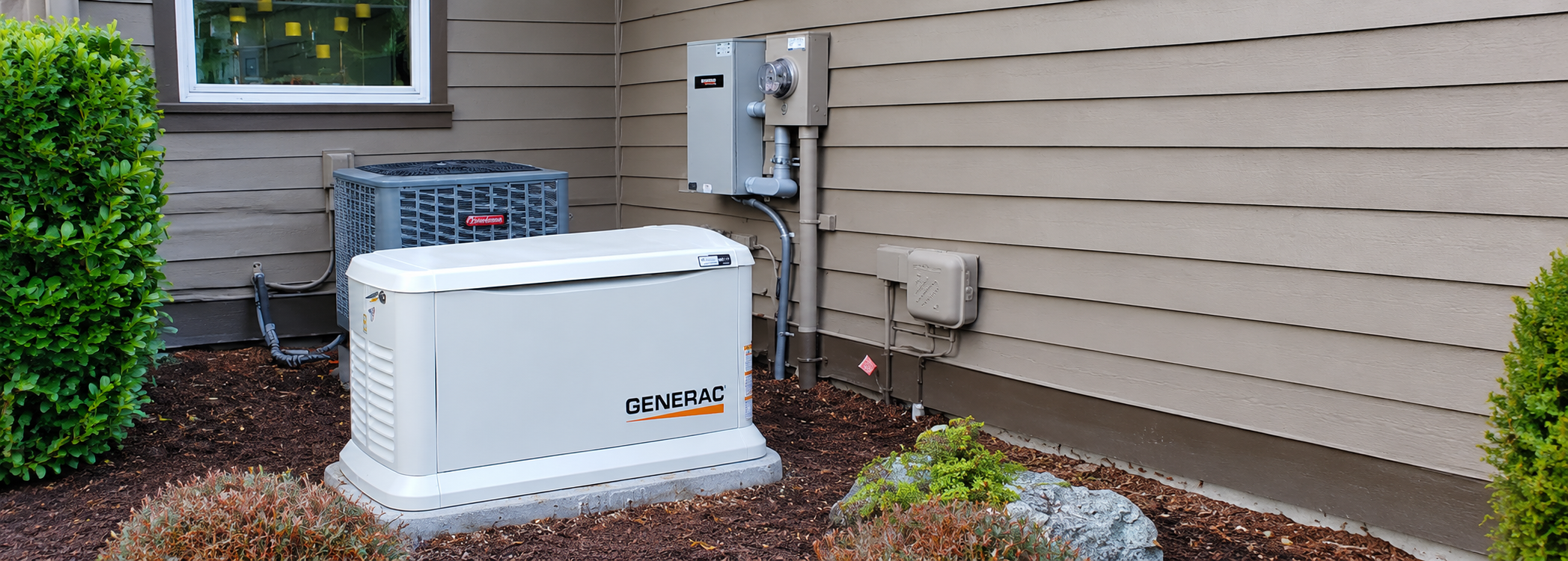
A stable, level generator support structure suited to the model is the starting point. Before settling on a location, review the following:
| Assessment area | What to check | Why it matters |
| Surface and support | Suitability for the unit’s weight | Limits settling and uneven support |
| Levelness | Whether the unit can sit as specified | Avoids alignment problems |
| Drainage | Where rainwater flows and pools | Flags water and stability concerns |
| Surrounding space | Clearances, ventilation, exhaust direction | Supports safe operation and servicing |
In Seattle, drainage deserves special attention. Water should never undermine the base, and the installation should not block existing drainage routes.
Secure Equipment Anchoring
Once the surface is right, the unit must be secured according to the manufacturer’s instructions. Generator vibration control belongs in this step too. Where isolation components are specified, they must suit the equipment and be installed correctly. Anchoring and vibration control work together, but neither can make up for a weak base.
A Note on Safety, Exhaust, and Local Requirements
Placement involves more than the pad. The CPSC warns that carbon monoxide from a generator can be fatal within minutes, and it advises running portable generators outdoors, at least 20 feet from homes and buildings, with exhaust directed away from windows, doors, and vents. A permanently installed standby unit follows its own manufacturer requirements and applicable codes.
Read the CPSC’s generator hazard guidance before operating portable equipment.
Seattle also has permit rules. The city’s electrical permit guidance explains that a permit is required when electrical wiring is installed, altered, extended, or connected to electrical equipment. Confirm what applies to your project before work begins.
Professional Generator Installation and Mounting
A sound installation starts with a site assessment, not with picking a spot beside the house. Our team reviews your property’s power needs, the proposed location, and the manufacturer’s generator installation requirements in Seattle, WA, before deciding how the unit should be supported and connected.
The right answer changes from one property to the next. A compact lot in Capitol Hill poses different challenges from a larger property in Magnolia or a sloped site in West Seattle, and older homes may need an electrical review first.
At Skyline Electrical Services, we handle generator installation for homes and businesses across Western Washington, including Seattle, WA. Our team supports whole-house generator installation, backup generator installation, and generator plug installation, guiding each project from the first consultation and site assessment through installation, testing, and maintenance. For homeowners planning residential generator installation, that same assessment helps settle mounting and electrical questions before any work begins.
What a Proper Installation Process Should Address
A well-planned generator installation project in Seattle, WA, moves through these steps in order:
- It begins with a consultation about your power needs, followed by a walk-around of the property to review the space, ground, drainage, and how a technician will access the unit later.
- The generator is then sized to what your home or business actually runs, so the capacity matches the load.
- The unit goes onto a base and mounting arrangement chosen for that exact model, following the manufacturer’s instructions.
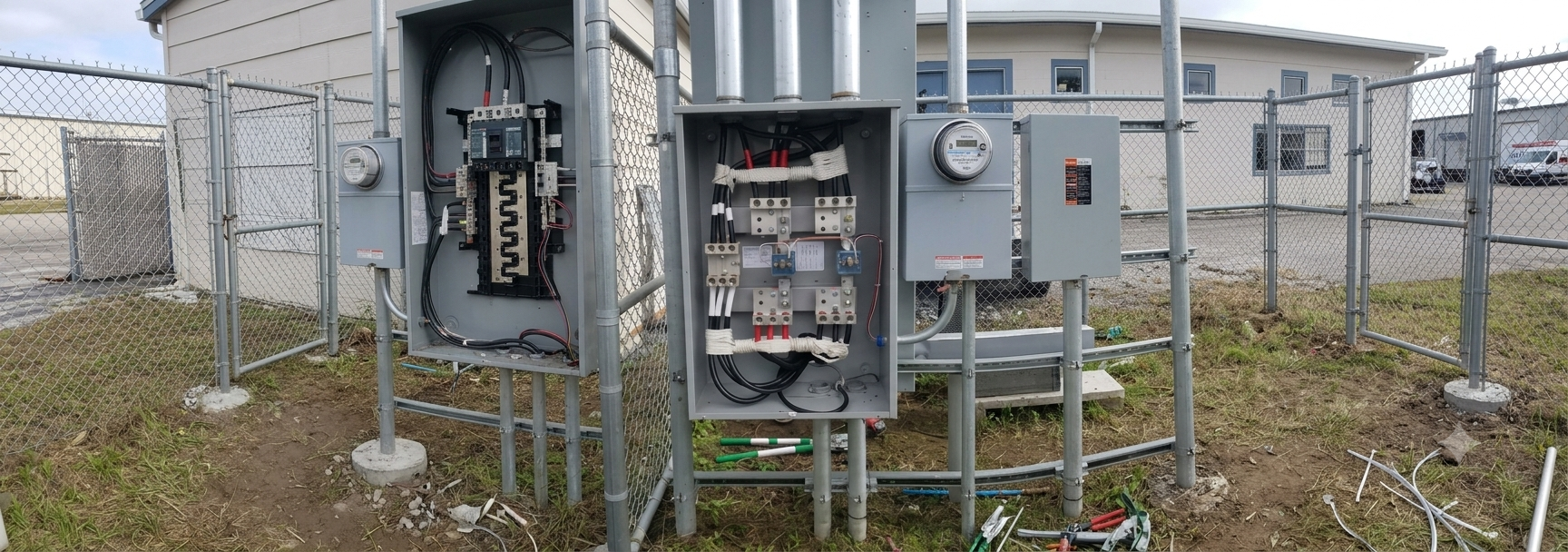
- Next, it is tied into your existing electrical system so everything works as one setup.
- Before the job closes, the system is tested to confirm it performs as intended, and ongoing maintenance is planned.
Taking these steps in order keeps the physical and electrical work aligned and catches problems while they are still easy to fix.
A Homeowner’s Generator Mounting Checklist
Save this list for your next conversation with an electrician.
- Has the location been assessed for drainage and ground stability?
- Is the foundation suitable for the generator’s weight?
- Will the unit be level and anchored as the manufacturer specifies?
- Have clearances, airflow, and exhaust been reviewed?
- Can a technician reach the unit for routine servicing?
- Have permits and inspections been confirmed?
- Will the electrical connections be tested?
If a unit already seems unstable or has developed new vibration, hold off on running it until a professional has found the cause.
Give Your Generator a Stable Start Before the Next Outage
A backup generator should be ready for the outage, not fighting a weak foundation or loose hardware. In Seattle’s wet winters, attention to the base, drainage, and anchoring helps limit avoidable wear and supports dependable operation. At Skyline Electrical Services, we bring more than 25 years of experience, along with licensed and insured service, to every generator project.
To plan your generator installation service in Seattle, Woodinville, Marysville, Everett, Kirkland, Bellevue WA, and the surrounding areas, call us at (425) 201-8288.