Before anyone picks up a shovel, an overhead-to-underground electrical conversion is mostly a series of conversations. The serving utility has requirements, the inspector has expectations, the property has quirks of its own, and the homeowner has a picture in mind of how the front yard should look. A good project gets all four to agree early.
That matters in Everett, WA, where mature trees, wet winters, and a mix of older and newer homes keep underground power lines a regular topic. This guide covers what the work involves, what to confirm before it starts, and what to ask when you speak with professional electricians in Everett, WA.
Benefits of Underground Service Conversion
The case for going underground is strongest when overhead wires cross a tree line, interrupt a view, or get in the way of a renovation. The payoff still depends on your existing setup, the utility’s equipment, and how much of the service the conversion covers, which is why many homeowners ask an electrician in Everett, WA to look at the property before deciding.
Protecting Power from Falling Branches
In a region of tall evergreens and saturated winter soil, a falling branch is one of the more common threats to an overhead service drop. Burying the service conductors takes that stretch of wire out of the branch’s path.
It does not remove every risk. Underground systems can still be affected by flooding, equipment failure, and excavation damage, so the benefit is specific to the part of the service that is converted.
| Consideration | Overhead service | Underground electrical service |
| Falling branches | Directly exposed | Removed from the converted section |
| Appearance | Visible wires across the property | Cleaner, though the meter and disconnect remain |
| Landscaping | Plans must work around the drop | More flexibility along an approved route |
| Remaining risks | Wind, ice, and tree contact | Flooding, equipment faults, and digging damage |
Converting your service also does not move the neighborhood’s distribution lines. The serving utility decides how the new service connects to its network and which parts of the work it handles.
Eliminating Unsightly Wires
A service drop that cuts across a roofline or front porch can undo a lot of careful design. Homeowners often raise the question when they are already working on the exterior, such as:
- Redesigning a front garden or entrance.
- Laying a new driveway or patio.
- Opening up a view toward Port Gardner or the Silver Lake shoreline.
- Preparing a street-facing view for a sale.
The goal is to remove the overhead wiring, not to make the electrical service vanish. A meter socket, a disconnect, and the conduit rising out of the ground will usually remain visible, so a site visit should settle where each piece will sit.
Trenching, Conduit and Utility Coordination
The underground route is where most of the planning effort goes. Under Washington’s service rules, the owner, the owner’s representative, or the electrical contractor must consult the serving utility about service entrance and meter equipment before installing it, and the utility must approve the proposed locations. Source: Washington Administrative Code, WAC 296-46B-230. An electrician in Everett, WA will usually make that call to the utility before any trench is opened, so the route is agreed in advance.
Utility Clearances and Right-of-Way Rules
The shortest path from the utility connection to the house is rarely the right one. Buried pipes and cables, property lines, driveways, and the utility’s own standards all shape the route, and a properly planned project settles these points up front:
- The connection point the utility will accept.
- The proposed route, mapped around structures, landscaping, and other buried lines.
- Required clearances and working space for the equipment.
- Right-of-way boundaries, since work in public space may need extra coordination.
- Inspection timing, before anything is covered.
The numbers on digging safety explain why locating comes first. The Washington Utilities and Transportation Commission reported 2,705 underground utility damage incidents in the state in 2025, and 42% occurred when digging started without a utility locate. Its notification center handled 531,979 locate requests over the same year.
Quick tip: Contact 811, or use the state’s call-before-you-dig service, at least two full business days before excavation, and keep the marked locations intact while the work proceeds.
Trench Depth and PVC Conduit Rules
Depth is not something to estimate by eye. The required cover depends on the wiring method, the location, the applicable electrical code, and any added requirements from the utility or local authority. PVC conduit is common underground, though not every product suits every location, and the conduit needs extra protection where it rises out of the ground. Washington’s residential inspection checklist points to the National Electrical Code for these rules
| Item to settle | What it depends on |
| Trench depth | The wiring method and the location |
| Conduit type and size | Approval for underground use |
| Separation from other utilities | The route and existing buried lines |
| Protection above grade | Where the conduit meets the ground |
| Inspection | Timing before the trench is backfilled |
Several practical factors also shape the scope and cost of the project: route length, soil and site conditions, driveway or landscape restoration, and any changes to the meter or service equipment. Walk the route with your electrician beforehand, so you know what will happen to the lawn, the planting beds, and the walkway.
Upgrading Meter Bases and Main Disconnects
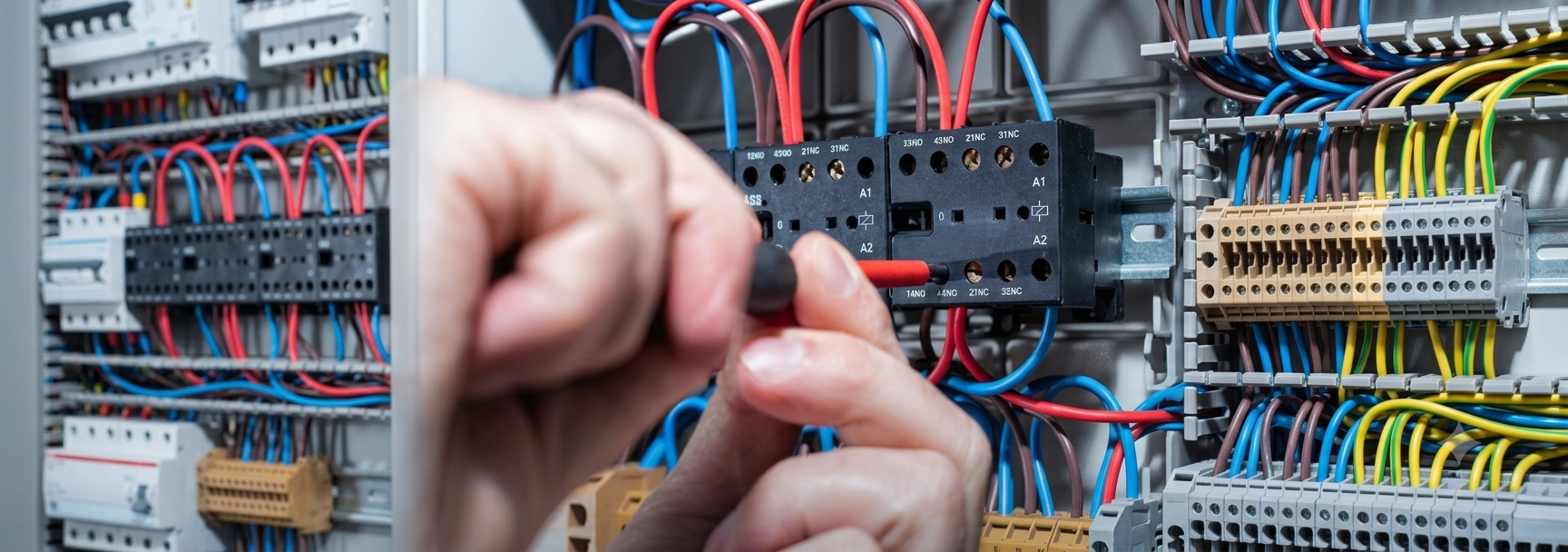
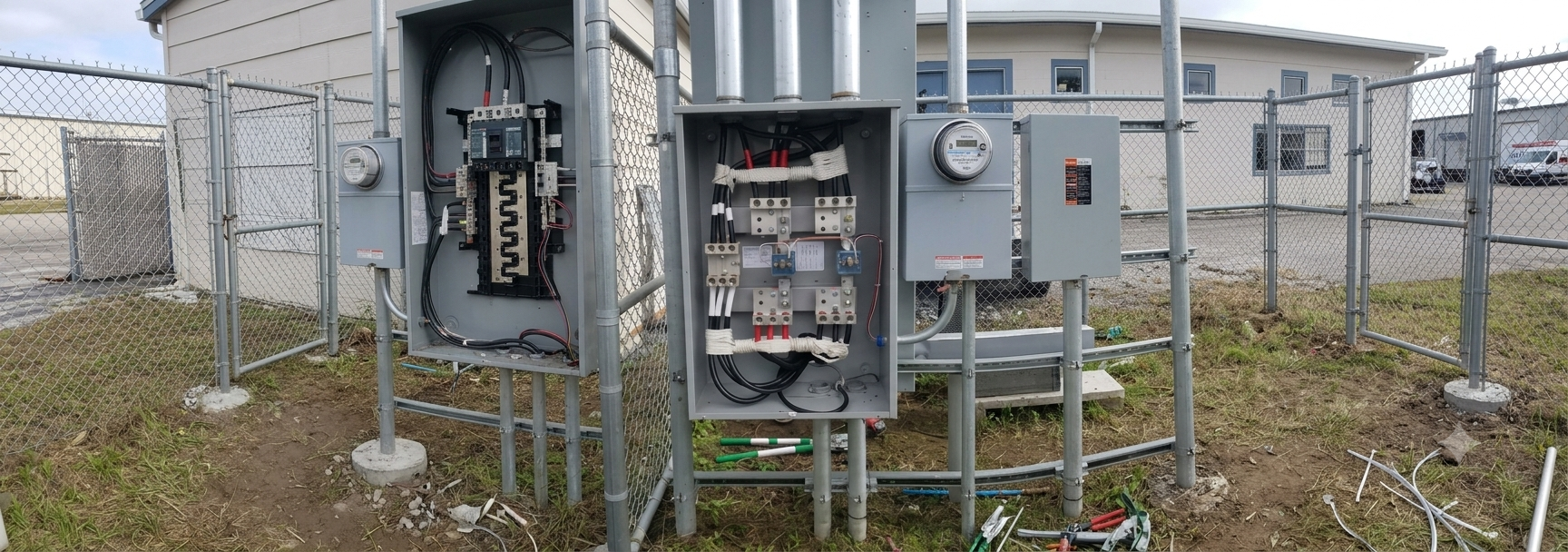
A conversion often extends past the trench because the equipment where power enters the home must suit the new arrangement. Your electrician in Everett, WA should inspect what is there and decide what can stay, what must move, and what needs replacing. If that inspection shows aging or undersized equipment, an electrical service upgrade may be worth discussing, though changing the route does not automatically mean adding capacity.
| Question | Who decides |
| Which meter socket is acceptable | The serving utility |
| Meter height and location | The serving utility |
| Disconnect location and access | The electrical code and the local authority |
| Whether the existing service is adequate | The electrician’s assessment |
Lever-Bypass Meter Sockets
A meter socket holds the utility meter and connects it to the service. Some utilities call for a lever-bypass design, which makes meter removal and maintenance easier, while others do not. It is not a universal requirement, so confirm the following before buying:
- The socket type your utility accepts.
- The meter height and location it requires.
- The voltage and current ratings the service needs.
- Any utility-specific rules about bypass features.
A homeowner in Riverside or near downtown Everett may get a different answer than a business owner, because the utility’s approved design depends on the service itself.
Disconnects for Fire Department Access
The service disconnect cuts off the building’s supply, which is why its location matters to occupants, electricians, and emergency crews. Washington’s service requirements call for it to sit in a readily accessible spot, either outside or just inside where the conductors enter, as the code permits.
A conversion does not automatically require a separate exterior disconnect for fire department use. That depends on the code, the building, and any local requirements, so ask whether your existing disconnect is suitable, accessible, correctly located, and properly rated.
Planning an Underground Service Alongside Other Upgrades
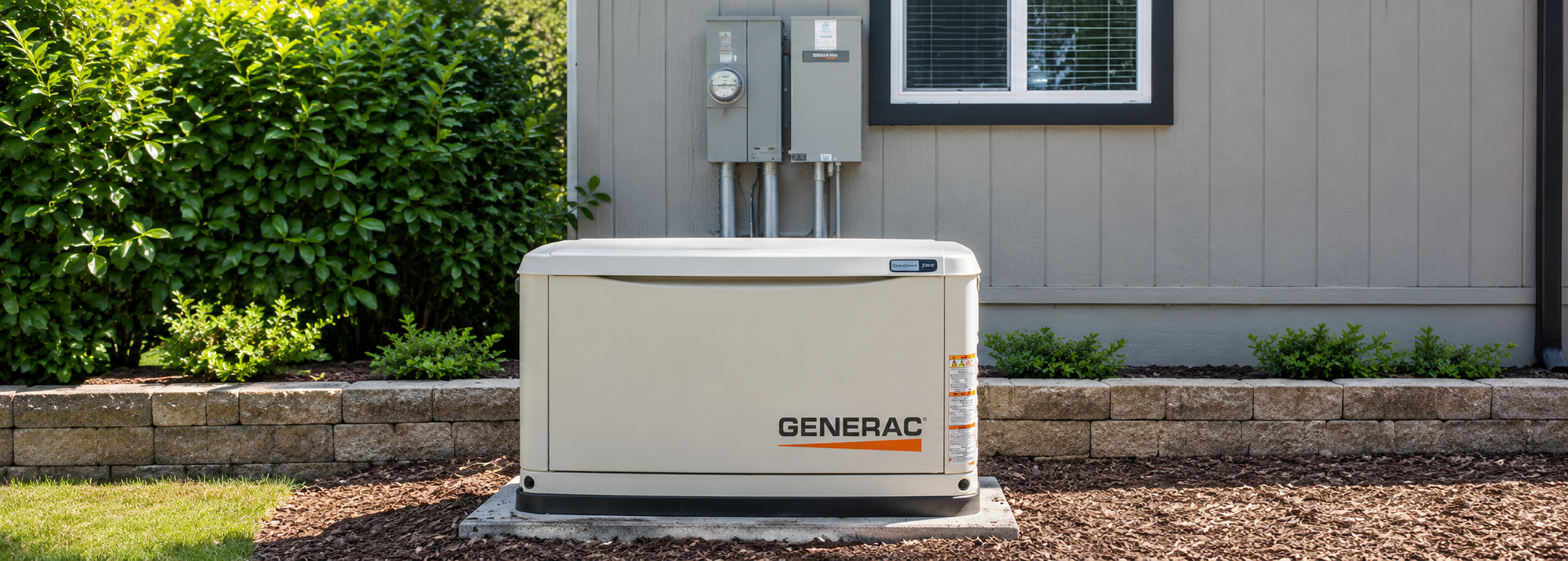
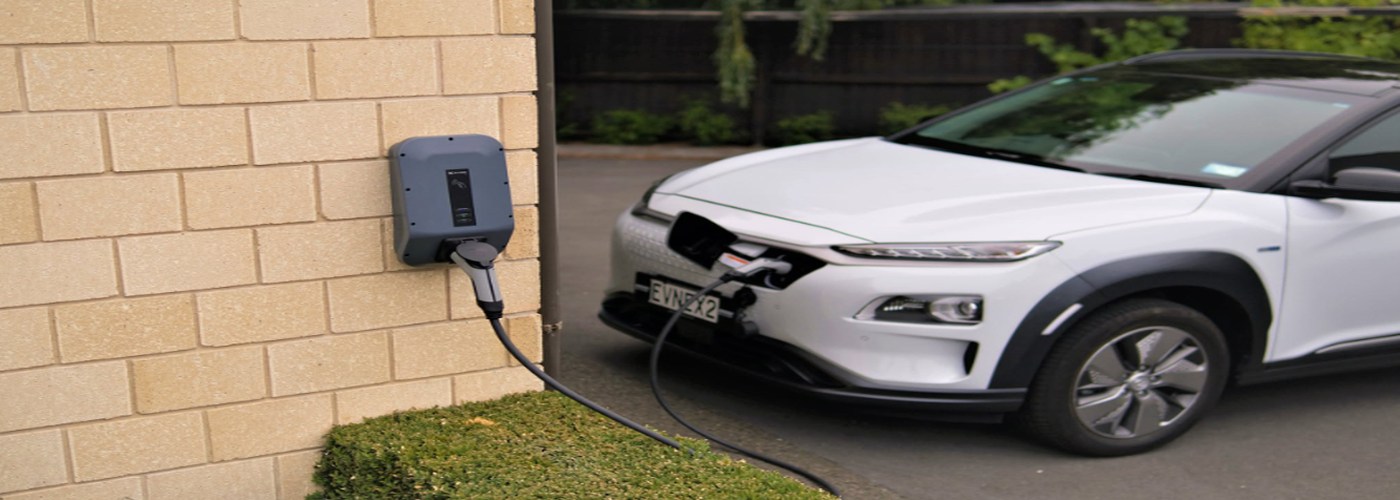
Once an underground electrical service project is underway, the property is already being reviewed, making it a natural time to consider what else the electrical system may need. A homeowner in Everett, WA, planning a new charger, a backup generator, or a remodel can save a lot of effort by raising those plans at the start, instead of discovering them midway through another project.
Raising those plans early gives your electrician in Everett, WA the full picture so that the work can be planned in one visit instead of several.
Here is how common plans line up with the services we offer:
| If you are planning | Worth reviewing during the assessment | Related Skyline service |
| A home EV charger | Whether the panel can carry the added load | EV charger installation, electrical panels |
| Backup power for winter storms | Generator placement and how it ties into the service | Generator installation |
| Rooftop solar | How the system connects to your electrical setup | Solar panel installation |
| An older home with aging wiring | Whether the wiring suits a modern service | Home rewiring |
| A kitchen or basement remodel | Whether the existing service can support the added circuits | Residential electrical services |
A shared assessment helps in two ways. It shows whether an electrical service upgrade belongs in the plan, and it lets the work be sequenced sensibly so the same wall or yard is not opened twice.
Quick tip: Our contact form asks for a close-up photo of your electrical panel with the door open, along with a wider shot from about ten feet back. Sending both helps our team prepare before the visit.
Choosing a Credible Electrician in Everett, WA
Few decisions affect an electrical project as much as who does the work. A good electrician in Everett, WA should be willing to explain the plan, answer questions plainly, and keep you informed along the way.
These questions are worth asking any contractor:
- Are you licensed and insured for this type of work?
- How long have you served homes and businesses in this area?
- How will you coordinate with the serving utility and the inspector?
- Who will handle the permits and the final inspection?
- How will you protect the yard and restore the surface afterward?
For comparison, here is what you can expect from us:
| What to look for | What the company states |
| Credentials | Licensed and insured |
| Experience | More than 25 years in the industry |
| Recognition | Certified Qmerit Solutions Partner |
| Reputation | A 4.9 rating based on 225 Google reviews |
| Service area | Everett and communities across Snohomish, Skagit, Whatcom, King, and Island counties |
Our team serves both residential and commercial clients, and every project is guided by safety, quality workmanship, and clear communication from start to finish. We welcome detailed questions from the first conversation, because clear answers early on keep a project running smoothly until the end.
From Overhead Wires to a Better-Planned Property
A cleaner roofline and a better-protected service both begin with a plan made before the first trench is opened. Confirm the route with the utility, check the conduit and clearance rules, and have the meter and disconnect equipment reviewed along the way. We are a licensed and insured team with more than 25 years of experience, providing residential and commercial electrical services across Western Washington, including Everett, Woodinville, Seattle, Marysville, Bellevue WA, and beyond.
To talk through your property with an electrician in Everett WA, call Skyline Electrical Services at (425) 201-8288.