There is one question almost every EV owner eventually asks: how do I make this battery last? It is a fair question, since the battery is the single most expensive part of the vehicle and the one thing that determines how far you can go on any given day. The way it gets charged, driven, and cared for shapes both the range you see today and the performance you can expect years from now.
The reassuring part is that modern EV batteries hold up well. A consistent charging routine and a few small habits go a long way, and drivers throughout Everett, WA, from downtown Everett and the Port of Everett to Mill Creek, Mukilteo, Marysville, and Lake Stevens, have their own local factors worth understanding, since weather and daily commute patterns both play into EV charger battery performance here more than people expect.
Quick Fact: The U.S. Department of Energy notes that today’s lithium-ion EV batteries are built for years of dependable use, and typical manufacturer warranties cover 8 years or 100,000 miles, with expected battery life running closer to 12 to 15 years under normal conditions.
Understanding EV Battery Health: What Really Determines Longevity?
A common misconception is that EV batteries fail all at once after a certain number of years. That is not really how it works. Battery capacity fades gradually, the same way it does in a phone or laptop, so a car rated for 300 miles new might deliver somewhat less after years of regular driving.
What affects battery health the most
| Factor | Effect on Battery |
| Frequent fast charging | Adds stress if relied on too often |
| Extreme heat | Speeds up long-term degradation |
| Charging to 100% constantly | Can reduce capacity over time if unnecessary |
| Draining to near 0% often | Puts extra strain on battery cells |
| Long periods sitting unused | May affect condition if stored improperly |
The good news is that every modern EV comes with a battery management system that works in the background, regulating charging speed and temperature to protect the battery even when a driver is not thinking about it.
Charging Smarter, Not Harder: Habits That Help Protect Your Battery
Charging happens almost every day, which is exactly why EV battery charging habits matter so much for long-term health. None of this requires an elaborate routine.
Keep daily charging between 20% and 80%.
For everyday driving around Everett, Lynnwood, Mukilteo, or Snohomish County, charging to roughly 80% covers most commutes. Save the full 100% for longer trips when the extra range is actually needed.
- Daily commuting: charge to around 80%
- Weekend travel: charge to 100% right before leaving
- Avoid sitting at 100% for days at a time.
Use DC fast charging strategically.
Fast charging is convenient, especially on longer drives across Washington State, but leaning on it for every session generates more heat in the battery than necessary. Level 2 charging at home takes care of daily needs just fine, so you can save fast charging for road trips or days when you’re pressed for time: a habit that goes a long way toward protecting your EV battery without cramping your flexibility.
Charge during cooler hours when possible.
Western Washington stays fairly mild most of the year, but summer heat waves still show up. Charging overnight tends to align with cooler temperatures, lower grid demand, and a full battery ready for the morning drive.
What Impacts EV Range More Than Most Drivers Realize?
A shorter range on a given day does not automatically mean something is wrong with the battery. Several everyday conditions affect battery performance in electric vehicles well before age or wear enter the picture.
| Condition | Effect on Range |
| Cold weather | Temporary range loss, sometimes significant |
| High-speed freeway driving | Higher energy use |
| Mountain grades | More energy climbing, with some regained downhill |
| Heavy cargo | Lower efficiency overall |
| Low tire pressure | Reduced efficiency |
Cold weather deserves special attention here. According to the Department of Energy, running the cabin heater can cut an EV’s range by as much as 41%, and even without the heater running, range can drop by roughly 12% at 20°F compared to 75°F. For drivers heading toward the
Cascades or commuting on I-5 through changing elevation, that kind of swing is normal, not a sign of a failing battery.
Battery Mistakes That Can Shorten Performance Over Time
Most battery wear comes down to everyday habits rather than any defect in the vehicle itself, and each of these is easy to correct once you know to look for it.
Keeping the battery at 100% constantly.
Useful before a long trip, but holding it there day after day adds unnecessary wear.
Running the battery down to nearly empty regularly.
Recharging before it gets critically low is easier on the cells.
Skipping software updates.
Manufacturers routinely improve charging management and thermal controls through updates, which supports better EV range optimization over time.
Putting off electrical upgrades at home.
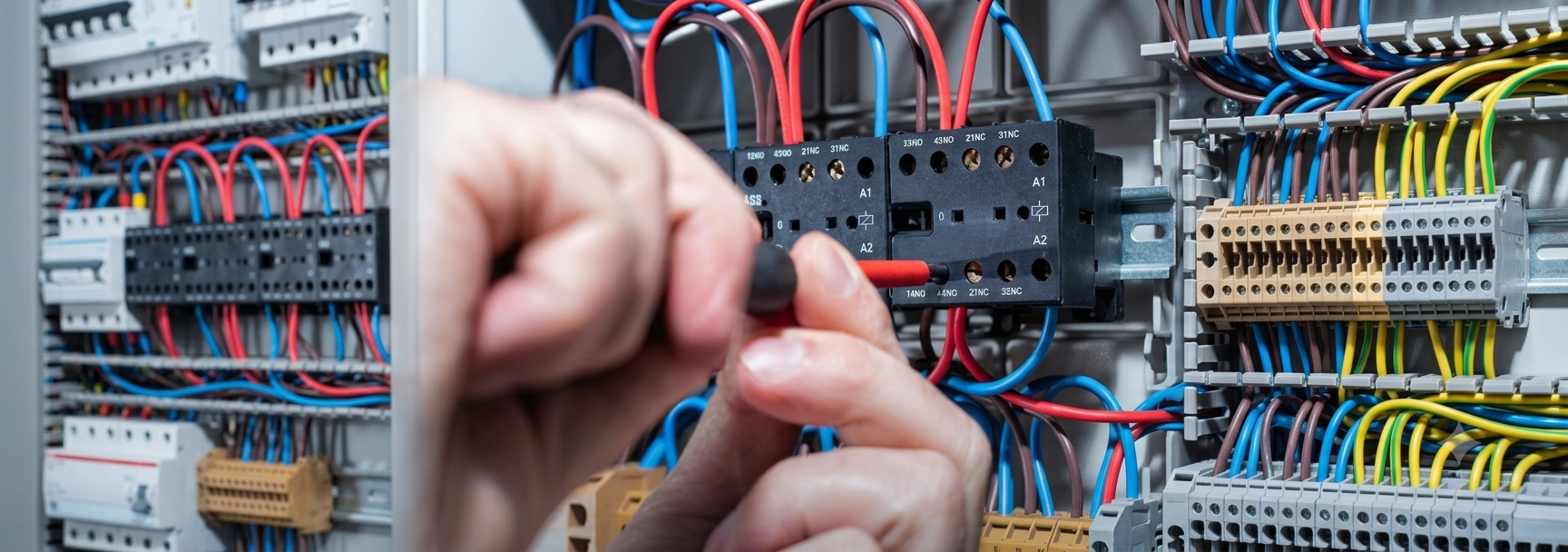
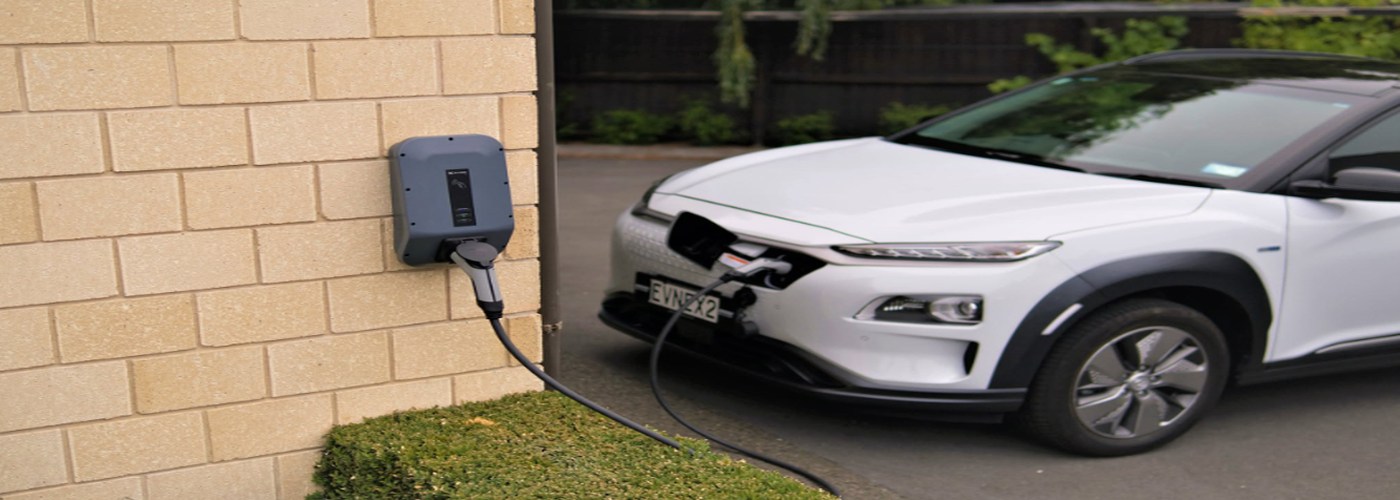
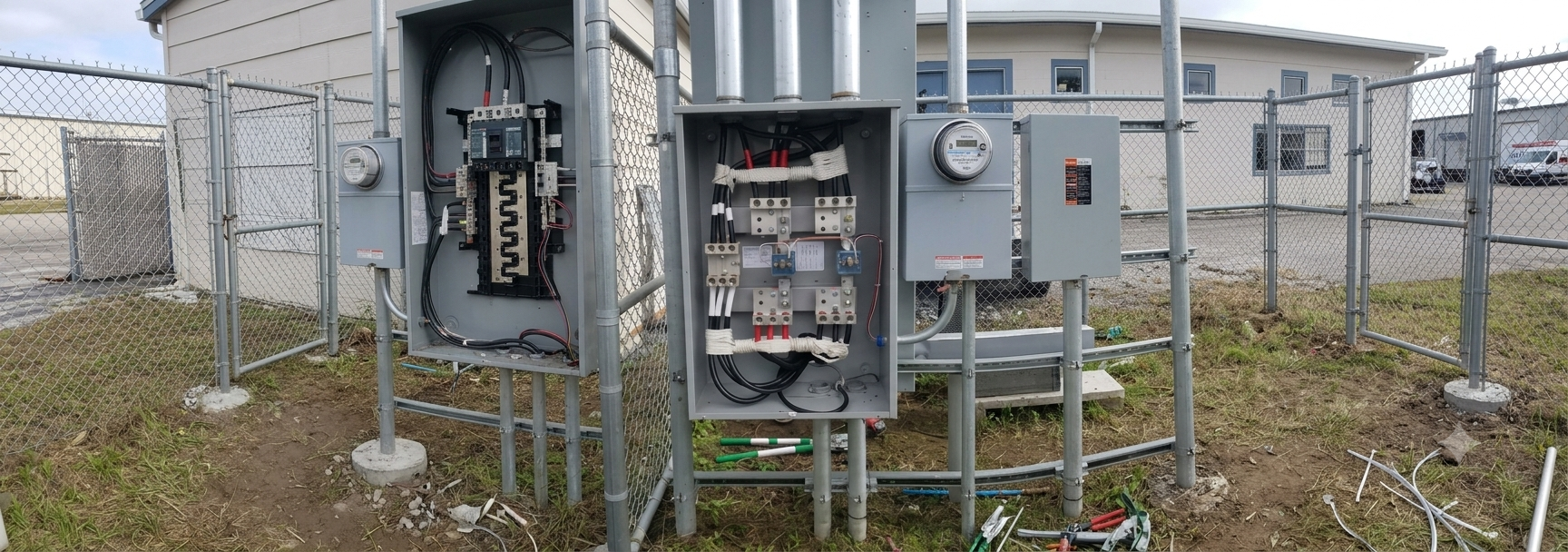
Sometimes a charging issue has nothing to do with the car. An older panel or an undersized circuit can affect reliability and limit future charging needs. If you’re a homeowner in Everett, Mukilteo, or Mill Creek considering a home EV charger, hiring a licensed electrician helps ensure the equipment fits your electrical capacity and complies with local codes. Skyline Electrical Services installs EV chargers and charging stations, along with panel upgrades where more capacity is needed.
Best Practices for Long-Term Battery Care
Some of the most effective habits are also the simplest, and a short weekly routine covers most of them.
Weekly checklist
- Keep routine charging between 20% and 80%
- Check tire pressure
- Install software updates as they come out.
- Avoid parking at 100% for extended periods.
- Charge overnight when it works with your schedule.
- Save fast charging for when time is tight.
- Park in shade or cover during extreme heat
Home charging plays a bigger role in all of this than most owners realize. Charging overnight at home, rather than relying on public stations, makes it far easier to stick with the 20-to-80 habit and avoid unnecessary fast-charging sessions.
Why home charging helps
| Home Charging Advantage | Why It Matters |
| Predictable overnight charging | Supports a consistent routine |
| Flexible scheduling | No waiting on public chargers |
| Controlled charging conditions | Easier to follow healthy habits |
| Added property value | A practical upgrade for EV owners |
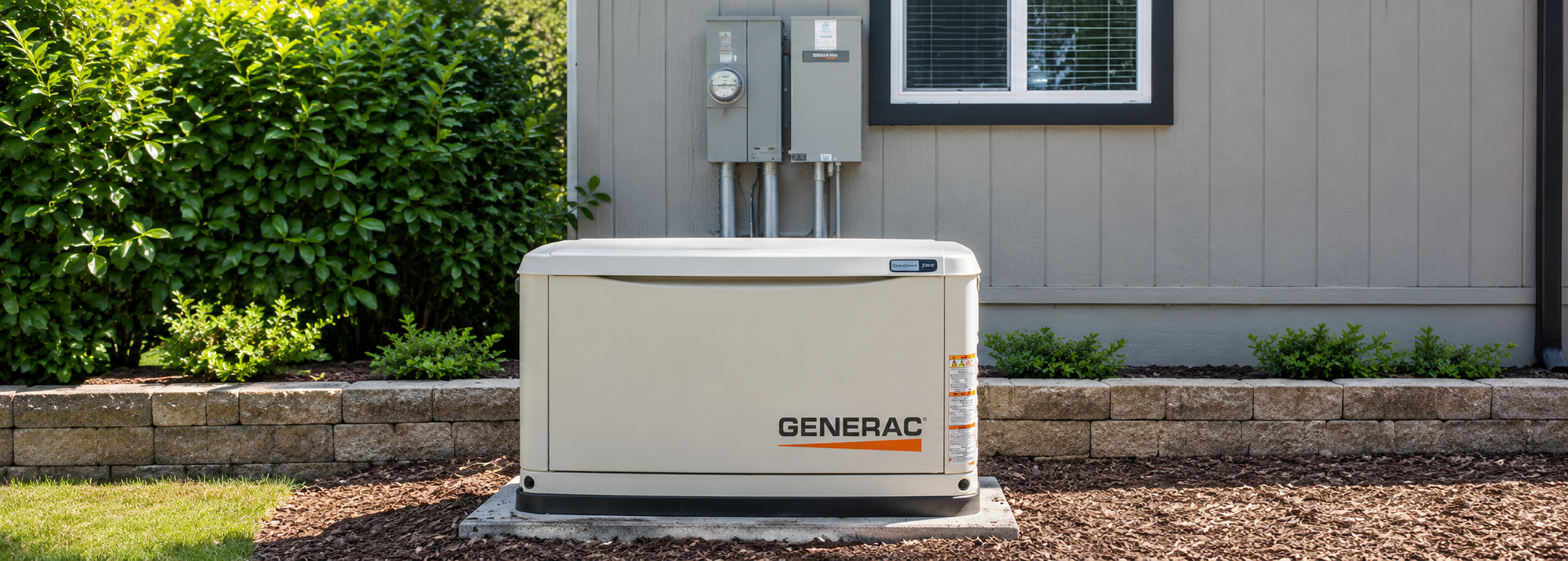
As EV ownership continues to grow across Snohomish County, a properly installed home charger is becoming less of a novelty and more of a standard household upgrade. Skyline Electrical Services handles residential and commercial EV chargers in Everett WA, evaluates existing electrical capacity, performs panel upgrades when needed, and manages the process from initial assessment through permitting and final inspection. Our team also covers generator hookups, troubleshooting, home rewiring, and solar panel integration throughout Everett and the surrounding area.
A quick myth check
| Myth | Reality |
| Charging every night ruins the battery | Battery management systems are built to handle daily charging safely. |
| Fast charging always damages batteries | Occasional use is fine; leaning on it constantly adds more stress. |
| Cold weather causes permanent damage | Range loss in cold weather is usually temporary. |
| Any drop in range indicates battery failure | Weather, speed, and terrain account for most day-to-day differences. |
Looking Ahead: Protecting Today’s Battery for Tomorrow’s Drives
EV technology keeps improving, but the basics of good battery care do not really change. A steady charging routine, realistic expectations around range, and a bit of attention paid to the small habits above go a long way toward keeping performance strong for years.
If you are considering a home charging setup or need an electrical upgrade to support one in Everett, WA, Skyline Electrical Services provides EV chargers, panel upgrades, and residential and commercial electrical work suited to your property, managed from assessment through final inspection. Reach out to our team at (425) 201-8288 to talk through what your home would need.